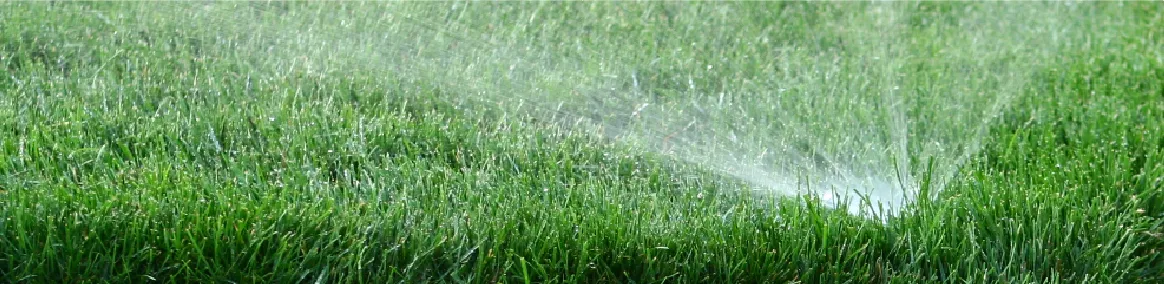
Not all sprinklers are the same. In fact, some use water much more efficiently than others. Luckily there are simple things you can do to take care of your irrigation system all year-round.
One of the most important things you can do to conserve water outdoors is to keep your watering system operating efficiently, whether it's a hose with a nozzle or a sophisticated underground irrigation system.
Seasonal Sprinkler System Maintenance
Spring Sprinkler Maintenance
- Close all manual drains: they may be open from when you drained your sprinkler system last winter.
- Slowly open the main valve to fill the pipes between it and the backflow prevention assembly.
- Pressurize the mainline from the backflow prevention assembly to the control valves. Have one of the control valves open while you do this so air in the piping can escape through the sprinkler heads.
- Have the backflow prevention assembly (cross-connection assembly) tested by a state-certified tester. If you have an automatic sprinkler system, you likely have a backflow assembly. You are required by law to have it checked each year. Contact your water provider for specific information on rules and regulations.
- Run the entire sprinkler system, one zone at a time. As you do this:
- Check for damage to sprinkler heads or piping which could have occurred over the winter. Repair and replace as needed.
- Check for accurate spray patterns. Adjust your sprinkler heads so they water your landscape and not the sidewalk.
- Make sure sprinkler heads aren't blocked by plants or other materials.
- Clean clogged nozzles and sprinkler heads
- Install a rain sensor. Rain sensors shut off sprinklers when rainfall reaches a preset amount, usually 1/4 inch. The sprinkler system will go back to the previous watering schedule when it dries out again.
Summer Sprinkler Maintenance
- Know how long it takes your sprinkler to water an inch. Use a tuna can to measure your sprinkler's water use.
- Regularly check your watering system for leaks, broken lines, or misdirected sprinkler heads. Take a few minutes each month to make sure your watering system is working well. This is a key step to efficient watering outdoors.
Be sure to run your entire system zone-by-zone and check for the following:
- Signs of leakage, especially damage to sprinkler heads or piping. Repair and replace as needed. Look for spots on your landscape that are always damp. This may mean that you have a leak or broken line.
- Accurate spray patterns. Adjust your sprinkler heads so they water your landscape and not the sidewalk. Make sure their spray isn’t blocked by plants or other materials as well.
Fall & Winter Sprinkler Maintenance
Each fall, you should winterize your irrigation system to keep it in good shape for next summer. Get ready for the rainy season and keep your pipes safe with these tips:
- Winterize your automatic sprinkler system or drip system by emptying it of water and turning it off for the season. Put garden hoses away for the season and insulate outdoor pipes. Empty and disconnect your garden hoses from outdoor faucets. Also be sure to insulate your outdoor faucets and any exposed pipes for the winter.
- Clear debris from your gutters and downspouts. This will prevent overflow and keep the water from your roof directed where you want it to go.